


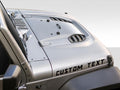

A good spare tire cover does more than dress up the back of your Jeep. It protects a $200+ tire from sun, rain, ice, and road grime. The short answer: look for covers made from 100% polyester-nylon weave with a UV inhibitor built into the fabric dye, a tight elastic hem, and printed graphics that sit under a clear protective coating. Those three features handle the vast majority of weather threats. If your current cover lacks any of them, the sections below explain why it matters and what you can do about it.
- What weather conditions damage tire covers the most?
- What materials hold up best in extreme weather?
- How do you weatherproof an existing tire cover?
- Is a UV-resistant cover worth the extra cost?
- How long do weatherproof tire covers last?
- Frequently asked questions
What weather conditions damage tire covers the most?
UV radiation is the number one culprit. Prolonged sun exposure breaks down polymer fibers and fades printed graphics faster than any other single factor. A cover that looks crisp in year one can look chalky and washed out by year two if the fabric has no UV protection.
The second biggest threat is moisture cycling: rain soaks the cover, the sun dries it, repeat. This constant expansion and contraction stresses seams and causes fabric to degrade at the edges first. In freezing climates, water that works under the hem and then freezes can crack the backing material entirely.
Road salt and UV often combine to accelerate damage. Coastal owners also deal with salt air, which corrodes any metal hardware on the cover (grommets, buckles) and can wick through loose-weave fabrics to attack the tire sidewall beneath.
Here is a quick-reference table of threats and what each one actually does:
| Weather threat | Primary damage | What to look for in a cover |
|---|---|---|
| UV / sun | Fading, fiber breakdown | UV-inhibiting dye or coating |
| Rain / moisture | Seam failure, mold under cover | Tight elastic hem, water-resistant backing |
| Freezing temps | Cracking, stiff fabric | Flexible backing that stays pliable below 0°F |
| Road salt / coastal air | Corrosion, fabric wicking | Tight weave, rust-resistant hardware |
| High wind | Cover blow-off, edge fraying | Dual-layer elastic band, secure fit |

What materials hold up best in extreme weather?
Polyester-nylon weave is the industry standard for outdoor fabric durability. It is woven tightly enough to resist water penetration at low angles, resists mildew, and holds color far longer than standard polyester does when UV inhibitors are added during dyeing.
Here is how the common materials stack up:
- Polyester-nylon weave (600D or higher denier): Best all-around. UV-resistant, water-resistant, maintains print quality well. The cover material you want.
- Standard polyester: Works in mild climates. Fades faster under UV, more prone to moisture absorption at the seams over time.
- Vinyl / PVC: Waterproof but gets brittle in cold, cracks in freeze-thaw cycles, and traps heat against the tire in summer.
- Canvas: Durable but heavy, prone to mildew if stored wet, and difficult to print sharp graphics onto.
- Neoprene: Excellent UV and water resistance, very tight fit, but expensive and traps heat in extreme summer temps.
For most Jeep owners in mixed climates, a high-denier polyester-nylon cover with a UV-resistant clear coat over the printed graphic is the practical sweet spot between durability, appearance, and price.

Polyester-nylon weave construction with UV-resistant printing. Fits 27in to 33in spares with or without a backup camera hole.
How do you weatherproof an existing tire cover?
If you already own a cover without built-in UV or water protection, there are a few practical steps to extend its life without replacing it right away.
1. Apply a UV-protectant spray. Products like 303 Aerospace Protectant or similar UV blockers bond to polyester fibers and add a meaningful layer of protection. Apply every 3 to 4 months if the Jeep is regularly parked outdoors. Clean the cover surface first so the product bonds to the fabric rather than to road grime.
2. Use a water-repellent fabric treatment. Spray-on DWR (durable water repellent) treatments like Nikwax or Scotchgard Water Shield help moisture bead off the surface rather than soaking in. These need to be reapplied seasonally.
3. Check and reseat the elastic hem. A loose hem is the most common entry point for water. If the hem has stretched out and the cover is flopping in the wind, the fix is either a hem-tightening drawstring or a replacement cover. No spray treatment compensates for a loose fit.
4. Store the cover when parked long-term. If the Jeep sits in a garage or under a carport for weeks at a time, remove the spare tire cover and store it indoors. UV damage accumulates even through shade, and storage eliminates the problem entirely during downtime.
5. Inspect seams annually. Run a finger along every seam edge once a year. Lifting, fraying, or delamination at the seam is a sign the cover is near the end of its useful life. Catching it early prevents moisture from reaching the tire underneath.

Is a UV-resistant cover worth the extra cost?
Yes, and the math is straightforward. A standard spare tire on a Jeep Wrangler runs $150 to $250. UV degradation of an unprotected sidewall accelerates cracking and dry rot, which can cut tire life by a third or more in high-sun environments like the Southwest. A weatherproof tire cover costs around $70. That is a small investment to protect a much larger one.
Beyond the tire itself, consider the graphic. A cover with a design you care about will fade in one season without UV protection. Covers with UV-inhibiting dyes and a clear coat over the print retain their appearance for years rather than months.
The extra cost of a UV-resistant cover versus a plain polyester cover is typically $10 to $20. Given the replacement cost of the spare tire and the cover itself, the payback period is essentially immediate.
The one scenario where a standard cover is acceptable: your Jeep lives in a garage and only goes out on weekends in overcast conditions. For everyone else, UV resistance is the single highest-value feature to look for in a weatherproof tire cover.

Four-season design on UV-resistant polyester-nylon weave. Available in sizes 27in through 33in with optional backup camera cutout.
How long do weatherproof tire covers last?
A quality weatherproof tire cover, properly maintained, lasts 3 to 5 years in most climates. In high-UV regions like Arizona, New Mexico, or Florida, expect the lower end of that range unless you apply UV protectant spray regularly. In milder climates with covered parking, 5 to 7 years is realistic.
The factors that most affect lifespan:
- Sun exposure hours. A Jeep parked in full sun 365 days a year ages a cover 2 to 3 times faster than one garaged most nights.
- Fit quality. A cover that fits snugly and does not flap in the wind experiences far less mechanical wear at the seams and edges.
- Cleaning habits. Washing with mild soap and water every few months removes abrasive grit that grinds into the fabric. Do not use pressure washers, which can damage the seams and graphic coating.
- Print quality. Graphics printed with UV-resistant ink that bonds into the fabric hold up far better than a cheap sticker-style graphic sitting loosely on top. A quality print becomes part of the cover and fades slowly instead of peeling.
Signs it is time to replace the cover: visible cracking in the backing material, graphic fading beyond recognition, a hem that no longer holds tension, or any seam that has separated more than a half-inch.
Frequently asked questions
What does "weatherproof" actually mean on a tire cover label?
There is no standardized certification for tire cover weatherproofing, so the term is largely marketing language. In practice, look for specific callouts: UV-resistant or UV-inhibiting fabric, water-resistant or water-repellent coating, polyester-nylon weave construction, and a tight elastic hem. Those specifics matter more than a generic weatherproof claim.
Can I leave my tire cover on in winter?
Yes, with caveats. A cover made from flexible polyester-nylon weave will stay pliable in freezing temperatures. Vinyl and PVC covers can crack when they get cold and stiff. If you live in a freeze-thaw climate, make sure the hem is fully seated before temps drop, so trapped moisture cannot freeze beneath the cover and cause the cover to split at the seam.
Does the size of the spare tire affect weatherproofing performance?
Fit matters more than size. A cover sized correctly for your spare, whether it is a 29 in or a 33 in, will seal the hem tightly and prevent water and wind from getting underneath. An oversized cover sags, flaps, and lets in water regardless of how good the fabric is. Always measure your tire diameter before ordering.
How do I clean a weatherproof tire cover without damaging it?
Hand wash with mild detergent and a soft-bristled brush, or machine wash on gentle cycle. Rinse thoroughly and let it air-dry completely before reattaching to avoid trapping moisture against the tire. Avoid bleach, which degrades UV-protective coatings.
Do tire covers actually protect the spare tire from UV damage?
Yes. A tire sidewall left uncovered in direct sunlight can develop surface cracking, called ozone cracking or dry rot, within 2 to 4 years, depending on the climate. A cover blocks the UV radiation responsible for that degradation. It is one of the most cost-effective ways to extend the life of a spare you may rarely use but absolutely need when the time comes.
Find Your Weatherproof Tire Cover
Dozens of designs on polyester-nylon weave with UV-resistant printing. Sizes 27in to 33in, with or without a backup camera cutout.
Shop Now →Lightweight and machine washable. Free shipping on orders over $59.99.
0 comments