



UV rays are the single biggest threat to vinyl decals on your Jeep. Prolonged sun exposure breaks down the adhesive, fades color, and causes edges to lift and crack. The good news: protecting vinyl decals from UV damage is straightforward once you know which methods actually work. Use a UV-blocking clear coat, wash regularly, park in shade when possible, apply a vinyl-safe protectant, and choose cast vinyl over calendered vinyl for any long-term exterior application. Do all five and a quality decal can look sharp for five or more years.
- Why does UV damage vinyl decals so quickly?
- Does clear coat protect vinyl decals?
- How does regular washing help protect decals?
- Does parking in shade actually make a difference?
- What type of vinyl holds up best against UV?
- Frequently asked questions
Why does UV damage vinyl decals so quickly?
Vinyl is a polymer. Like most polymers, it reacts badly to sustained ultraviolet radiation. UV rays attack the plasticizers inside the vinyl film, making the material brittle over time. The inks or pigments in the top layer break down on a molecular level, which is why colors shift toward washed-out oranges and yellows before fading entirely.
Two UV wavelengths do the most harm:
- UVA (315 to 400 nm): penetrates deep into the vinyl layer and degrades the adhesive beneath it.
- UVB (280 to 315 nm): penetrates the surface and is the primary cause of color fading and surface chalking.
Heat multiplies the problem. On a summer day, the hood of a dark-colored Jeep can reach 160°F or higher. That thermal stress accelerates the chemical reactions UV starts, which is why decals on horizontal surfaces (hood, roof, spare tire cover) tend to fail faster than those on doors or lower body panels.
Geography matters too. Owners in high-altitude or high-UV-index states like Colorado, Arizona, and New Mexico will see degradation two to three times faster than owners in the Pacific Northwest, even with identical products and care routines.

Does clear coat protect vinyl decals?
Yes, with caveats. A UV-inhibiting clear coat is one of the most effective ways to protect vinyl decals from UV damage, but the product and the application method both matter.
What works well:
- Spray-on vinyl clear coats formulated with UV absorbers (look for benzophenone or triazine UV inhibitors on the label)
- Thin, even coats applied after the decal has fully cured (typically 24 to 48 hours after installation)
- Products marketed specifically for vinyl wraps or decal graphics
What to avoid:
- Automotive lacquer or enamel clear coats not rated for vinyl: they can crack as the vinyl flexes and will trap moisture underneath
- Thick single coats: two or three thin passes outperform one heavy one every time
- Applying over dirty or contaminated surfaces: the clear coat seals in whatever is on the surface
One practical note: if your decal already has a laminate layer (many premium vinyl graphics ship with a UV-protective overlaminate), you may not need an additional clear coat. Check with the manufacturer before adding another layer.

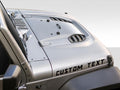
Precision-cut exterior vinyl made for Jeep Wrangler JL and Gladiator JT. Available in 63 colors including UV-stable matte and gloss finishes.
How does regular washing help protect decals?
Most people think of washing as purely cosmetic. For decals, it is also preventive maintenance. Road film, bird droppings, tree sap, and brake dust are all acidic or abrasive. Left on the surface, they accelerate the breakdown UV has already started. A thin layer of grime also acts as a heat trap, raising surface temperatures even higher on sunny days.
Here is a simple washing routine that keeps decals in good shape:
- Rinse first. A low-pressure rinse knocks off loose grit before you touch the surface, preventing micro-scratches in the decal film.
- Use a pH-neutral car wash soap. Dish soap strips wax and can degrade vinyl adhesive over time. pH-neutral products clean without attacking the film.
- Wash by hand or use a touchless wash. Automatic brush washes with rotating bristles can lift decal edges, especially on older installs.
- Dry with a microfiber towel or blower. Trapped water under a curling edge speeds corrosion of the adhesive layer.
- Apply a vinyl-safe protectant spray after washing. Products containing PTFE or silicone polymers add a thin barrier against UV and contamination. Reapply every four to six weeks.
One thing to watch for: if you notice a decal edge lifting, address it immediately. A small amount of vinyl-safe adhesive applied under the edge and pressed flat with a squeegee can add months or years of life. Waiting until the lift grows makes the repair much harder.
Does parking in shade actually make a difference?
Yes, measurably so. Studies on automotive paint degradation consistently show that vehicles parked outdoors in direct sun for eight or more hours per day accumulate UV damage two to four times faster than vehicles kept in covered parking. Vinyl decals, which lack a built-in UV inhibitor, become even more vulnerable once the top coat is compromised.
The benefit is not just about UV. Shade also keeps surface temperatures lower. At 160°F, vinyl softens slightly, and the adhesive becomes more fluid, causing edges to creep and lift. Reducing that thermal cycling alone extends decal life significantly.
Practical options if a garage is not available:
- Carport or shade sail: blocks most direct UV without requiring a full structure
- Sunshade or car cover: effective for storage and for extended periods of non-use
- Parking orientation: if you must park in the open, try to orient so decals face north (in the Northern Hemisphere), reducing peak-afternoon sun exposure


Precision-fit 2-piece transfer decal set for Jeep Wrangler JL, JLU, and Gladiator JT fender vents. Engineered for exterior use with long-lasting color stability.
What type of vinyl holds up best against UV?
Not all vinyl is the same. The material category matters more than brand for long-term UV resistance. Here is a quick breakdown:
| Vinyl Type | Typical Outdoor Lifespan | UV Resistance | Best Use |
|---|---|---|---|
| Cast vinyl | 5 to 7 years | Excellent | Exterior body panels, hoods |
| Calendered vinyl | 3 to 5 years | Moderate | Flat surfaces, short-term graphics |
| Laminated graphics | 5 to 8 years | Very good | Printed full-color decals |
| Reflective vinyl | 3 to 7 years | Moderate to good | Safety markings, accent strips |
Cast vinyl is the gold standard for exterior Jeep decals. It is made by pouring liquid PVC compound onto a casting sheet, producing a thinner, more conformable film with plasticizers evenly distributed throughout. That even distribution is what makes cast vinyl resist UV-induced brittleness far better than calendered vinyl, which is essentially PVC rolled out under pressure and tends to shrink and crack as it ages.
If a product does not specify whether it uses cast or calendared vinyl, ask the manufacturer or check the spec sheet. For any decal going on a horizontal surface or a high-UV area, cast vinyl is worth the price difference.
Frequently asked questions
How long do vinyl decals last on a Jeep outdoors?
Without UV protection, a calendered vinyl decal in a sunny climate may start fading in 2 to 3 years. A cast vinyl decal with a UV-inhibiting overlaminate or clear coat, regular washing, and reasonable shade can realistically last five to seven years or more before showing meaningful fading.
Can I wax over vinyl decals?
Yes, but choose the right product. Carnauba wax and synthetic spray waxes that do not contain petroleum distillates or abrasives are safe for vinyl. Avoid paste waxes, harsh solvents, and any product that requires machine polishing over the decal surface. A light wax coat adds a small but real layer of UV protection.
Will a car cover help protect decals from UV?
A breathable, UV-blocking car cover is one of the most effective forms of protection available for Jeeps stored outdoors for extended periods. Make sure the cover is breathable to prevent moisture buildup under it, which can work at the adhesive from underneath. Non-breathable covers can cause as much harm as leaving the Jeep uncovered.
Do vinyl protectant sprays like 303 Aerospace actually work on decals?
303 Aerospace Protectant and similar UV-blocking vinyl conditioners are well regarded in the detailing community and do provide meaningful UV protection. They work by depositing a thin polymer layer that absorbs and deflects UV radiation. The catch is that they need regular reapplication, typically every 4 to 8 weeks, depending on sun exposure. They are not a substitute for a permanent overlaminate or clear coat on high-UV surfaces.
Should I remove my decals before a road trip through a very sunny state?
Removing is not necessary, but preparation helps. Before a long trip through high-UV regions, apply a fresh coat of vinyl protectant and ensure all decal edges are firmly adhered. If you notice any lifting edges, press them down or have them spot-repaired before the trip. A single high-UV week does less damage than a year of neglect, so routine maintenance matters more than any single event.
Ready to Add a Decal That Lasts?
Browse our full catalog of Jeep vinyl decals, precision-cut and built for the outdoors.
Shop Now →Made in the USA. Free shipping on orders over $59.99.
0 comments