


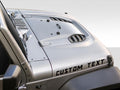

Every decal comes off eventually, whether you are refreshing the look, selling the Jeep, or fixing a peeling graphic that has seen too many summers. The good news: quality vinyl removes cleanly from factory paint when you do it right. The bad news: most of the damage we see happens during removal, not installation, because someone reached for a razor blade or a harsh solvent. Here is the paint-safe method we use in our own shop, step by step, plus how to deal with the sticky residue that stubborn decals leave behind.
What you need
- A hair dryer or heat gun on its LOW setting
- A plastic scraper, plastic razor, or even an old credit card (never a metal blade)
- An automotive adhesive remover (products like 3M Adhesive Remover or Goo Gone Automotive), or isopropyl alcohol for light residue
- Microfiber towels
- Car soap and water, and a wax or sealant for afterward
Step 1: Warm the decal; do not cook it
Adhesive releases when it is warm. Hold the hair dryer or heat gun a few inches from the decal and keep it moving for 30 to 60 seconds until the vinyl is warm to the touch, not hot. If the panel is too hot to rest your hand on, back off: excessive heat can soften paint and turn the adhesive gummy, which makes everything worse.
Step 2: Peel low and slow
Lift a corner with a fingernail or plastic scraper and pull the vinyl back on itself at a low angle, slowly and steadily. Re-warm as you go. Old, sun-baked vinyl gets brittle and may come off in pieces; that is normal, just keep warming and peeling. Resist the urge to yank: fast pulls are what separate the vinyl from its adhesive and leave the whole footprint behind as residue.
Step 3: Remove the leftover residue
Some decals leave a sticky ghost of adhesive behind, especially older ones. Here is the escalation ladder, gentlest first:
- Soap and water: light residue sometimes rubs away with a wet microfiber and car soap.
- Isopropyl alcohol: dampen a microfiber and rub in circles. Safe on cured clearcoat in normal use, and it flashes off cleanly.
- Automotive adhesive remover: for stubborn gunk, apply a citrus or automotive-specific remover, give it a minute to work, then wipe. Follow the product label and test a hidden spot first.
Work in small sections and swap to a clean side of the towel often, so you are lifting adhesive rather than smearing it around.
What NOT to use on your paint
- Metal razor blades: the number one cause of removal scars. Plastic only.
- Acetone, lacquer thinner, or brake cleaner: these can dull, stain, or strip clearcoat.
- Abrasive pads or magic erasers: they remove residue by sanding your clearcoat along with it.
- Pressure washers up close: they can drive water under surrounding decals and chip weak paint edges.
Step 4: Wash, inspect, and protect
Wash the area with car soap to clear any remover, dry it, and look at the spot in direct light. On an older Jeep, you may notice the paint under the decal is slightly brighter than the surrounding panel, since the decal was blocking UV like sunscreen; that difference fades with time and sun. Finish with a coat of wax or sealant, because the adhesive remover took any old wax with it.
Will removal damage the paint?
On factory paint in good condition, quality cast or calendared vinyl removes cleanly with the method above. The risky cases are repainted panels (aftermarket paint bonds differently and can lift), already-damaged or chipping paint, and vinyl that has been baking untouched for a decade. In those cases, go slower, use more heat and less pull, and accept that the paint condition, not the decal, is the limiting factor.
The fun part: the panel is a blank canvas again
A clean hood is an invitation. If you removed an old graphic to make room for something new, our cut vinyl decals apply with transfer tape and are rated for roughly six years outdoors, so the next one will look good for a long time.
Ready for a fresh look?

Before the new decal goes on, give the panel an alcohol wipe so the fresh adhesive bonds to paint instead of wax, and see our step-by-step installation instructions for the full prep and apply process. For long-term upkeep after installation, our decal care guide covers washing and protection, and if you are still deciding whether to pull an old decal at all, here is what Jeep owners on Reddit ask about decal removal.
Frequently asked questions
What removes sticker residue without damaging car paint?
Start gentle and escalate: car soap and water, then isopropyl alcohol on a microfiber, then an automotive adhesive remover like 3M Adhesive Remover or Goo Gone Automotive. Test a hidden spot first and never use acetone, lacquer thinner, or abrasive pads on clearcoat.
How do you remove old decals from a Jeep?
Warm the decal with a hair dryer until it is warm to the touch, lift a corner with a plastic scraper, and peel it back on itself slowly at a low angle, re-warming as you go. Clean any leftover adhesive with isopropyl alcohol or an automotive adhesive remover, then wash and wax the area.
Can I use a razor blade to remove a decal?
Not a metal one on paint. Metal blades are the most common cause of permanent removal scars. Use a plastic scraper, plastic razor, or an old credit card instead. Metal blades are only appropriate on glass.
Will removing a decal leave a mark on the paint?
On factory paint in good condition, no permanent mark. You may see a brightness difference where the decal blocked UV, and that fades with sun exposure over time. Repainted or damaged panels are the exception, so work extra gently there.
Does WD-40 or Goo Gone hurt car paint?
Automotive-labeled adhesive removers are formulated to be safe on cured clearcoat when used per the label: apply, let them work briefly, wipe, then wash the area with car soap afterward. Always test an inconspicuous spot first, and re-wax when you are done since removers strip wax.
0 comments